


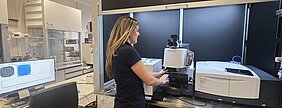
The European research project SafeDRINK creates the foundation for reliable microplastics monitoring in the Baltic Sea region. Together with partners from Latvia, Estonia, Poland, and Germany, TZW is working to harmonize analytical methods and provide comparable measurement data for water utilities and public authorities.
Microplastics have been detected worldwide in the environment, food, and drinking water. However, their potential impacts on ecosystems and human health cannot yet be conclusively assessed. One of the key challenges is the comparability of measurement data: different sampling and analytical methods make it difficult to compare and interpret results. At the same time, laboratory capacities and standardized routine methods remain limited.
This is where the SafeDRINK project, funded under the Interreg Baltic Sea Region Programme, comes in. Research institutions, water utilities, companies, and public authorities are jointly developing a validated, cost-effective, and standardized methodology for the analysis of microplastics in drinking water. Monitoring and analytical procedures are being aligned and further refined, following the European methodological framework for microplastics analysis in drinking water.
In addition to method development, the project focuses on building expertise and strengthening cross-border collaboration. Professionals will receive specialized training, and a shared regional database will be established. These efforts will help create the conditions needed for the long-term, harmonized monitoring of microplastics in drinking water.
The data generated through the project will support water suppliers as well as health and environmental authorities in assessing the occurrence of microplastics in drinking water more reliably. They will also provide a stronger basis for risk assessment and coordinated monitoring across the Baltic Sea region. Furthermore, the project results will assist authorities and ministries in the further development and implementation of regulations and support transparent communication with the public.
For more information, please visit the TZW SafeDRINK project website.