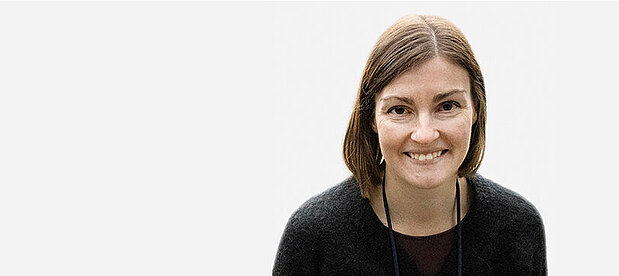



TZW leads PFASnet:
Over 40 countries are jointly developing knowledge, tools and strategies for effective management of PFAS contamination.
Per- and polyfluoroalkyl substances (PFAS) are a group of substances encompassing thousands of substances that have unique and highly desirable properties such as being resistant to heat under extreme temperatures and being water and grease repellent. However, PFAS do not break down in the environment, can recirculate in the water cycle, can accumulate in animals and can exert toxic effects. They are referred to as “forever chemicals”. The network PFASnet will address the challenge of the practical management of PFAS to protect the environment and human health by considering both proactive and reactive strategies.
PFASnet brings a multidisciplinary team together to close knowledge gaps related to social data, monitoring and analytical methods and remediation techniques. Whilst a large proportion of the population is exposed to PFAS in their daily lives, PFAS awareness varies considerably geographically. Providing information to increase awareness and by considering citizen’s perceptions of PFAS risk as well as how labels can be used to inform choices, PFASnet will support a reduction of PFAS at the source. There are several analytical methods available for PFAS in various environmental media, however their accessibility varies across European countries. PFASnet will level the playing field making it possible for all countries to comply with legislative obligations as well as support better monitoring campaigns. Current remediation techniques for PFAS in drinking water and sludge range from well tested field scale methods to highly innovative bench scale. PFASnet will close the gap to allow the identification of optimal methods for different geo-economic situations.
PFASnet is one of 80 new COST Actions funded in 2026. A COST Action is an interdisciplinary research network that brings researchers and innovators together to investigate a topic of their choice for 4 years. COST Actions are typically made up of researchers from academia, SMEs, public institutions, and other relevant organisations or interested parties. COST Actions are different to many other EU funded projects because it is possible to join and participate in a research network once it has started running, this feature applies throughout the entire lifespan of the Action.